Your bag is empty.
Runes: the old Germanic letters and what their names mean
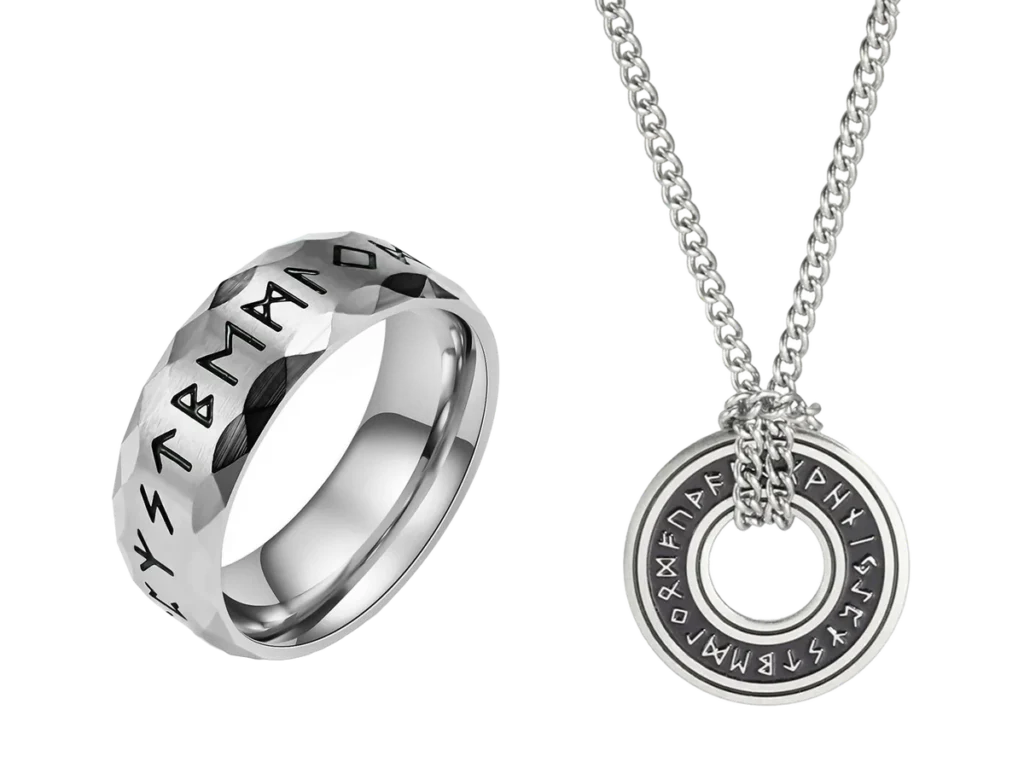
Runes are letters. Before the Latin alphabet reached northern Europe, the Germanic peoples wrote with them, cutting them into wood, bone, metal and stone. Each rune stands for a sound and has a name, and the names are where their meanings come from.
The oldest runes
The oldest runic alphabet has 24 runes. It is called the futhark, after the sounds of its first six runes, f, u, th, a, r and k, and today it is known as the Elder Futhark. It was in use from roughly the 2nd to the 8th century.
The oldest inscription that can be dated with confidence is on a bone comb found in the Vimose bog on the Danish island of Funen, from around 160. It reads harja, probably a name. Most early inscriptions are as short as that: a name, the maker of an object, a few words.
The runes of the Viking Age
During the 7th and 8th centuries, the alphabet used in Scandinavia was cut down to 16 runes, the Younger Futhark. These are the runes of the Viking Age. Most of the runestones still standing in Scandinavia were raised in that time, most of them in Sweden, and most in memory of a family member.
Two are especially well known. The Rök stone in Östergötland, Sweden, carved in the early 9th century, carries the longest runic inscription known on stone. The larger of the two Jelling stones in Denmark, raised around 965 by King Harald Bluetooth, says that he made the Danes Christian.
In England the Anglo-Saxons went the other way and added runes, up to 33 of them.
What the names mean
The names of the 24 runes were not written down while the Elder Futhark was in use. What is known about them comes from three medieval poems with a short verse for each rune: an Old English poem, which survives only in a copy printed in 1705 because its manuscript burned in 1731; a Norwegian poem, known from a copy of a 13th-century manuscript; and an Icelandic poem from around 1500. The names below are the original forms that scholars have worked out from them.
| Rune | Sound | What the name means |
|---|---|---|
| Fehu | f | cattle, wealth |
| Uruz | u | aurochs, the wild ox |
| Thurisaz | th | giant; ‘thorn’ in the Old English poem |
| Ansuz | a | a god; Odin in the Icelandic poem |
| Raidho | r | riding, a journey |
| Kenaz | k | torch; ‘sore’ in the Norse poems |
| Gebo | g | gift |
| Wunjo | w | joy |
| Hagalaz | h | hail |
| Nauthiz | n | need |
| Isa | i | ice |
| Jera | j | year, harvest |
| Eihwaz | uncertain | yew |
| Perthro | p | unknown |
| Algiz | z | uncertain |
| Sowilo | s | sun |
| Tiwaz | t | the god Týr |
| Berkano | b | birch |
| Ehwaz | e | horse |
| Mannaz | m | man, a person |
| Laguz | l | water, a lake |
| Ingwaz | ng | Ing, a god or hero |
| Dagaz | d | day |
| Othala | o | inheritance, home |
Many meanings given to runes today come from modern books rather than from these sources. Algiz as a sign of protection is one; the blank rune of fate, added by Ralph Blum in his Book of Runes of 1982, is another.
Runes and fortune-telling
Around AD 98 the Roman historian Tacitus wrote that the Germanic peoples cast lots: they cut a branch into strips, marked them with signs, scattered them on a white cloth, then picked up three and read them. He does not say the signs were runes, and he wrote before the oldest runes that can be dated. Rune casting as most people know it today grew out of 20th-century books, above all Blum’s.
Choosing a rune
On our rune pendant, rune coin pendant and rune cord bracelet, you choose the rune yourself. People usually choose in one of two ways.
- As a letter. Runes are an alphabet, so the first letter of a name is a natural choice: Mannaz for Maria or Martin, Sowilo for Sara, Tiwaz for Tom. Letters with no rune of their own take the nearest sound: Kenaz for a hard C or a Q, Sowilo for a soft C, Fehu for V.
- By its name. Choose a rune whose name means something to you: Raidho, the journey, for someone setting out; Jera, the year’s harvest, for something worked hard for; Othala, home, for a new house.
Our rune pieces
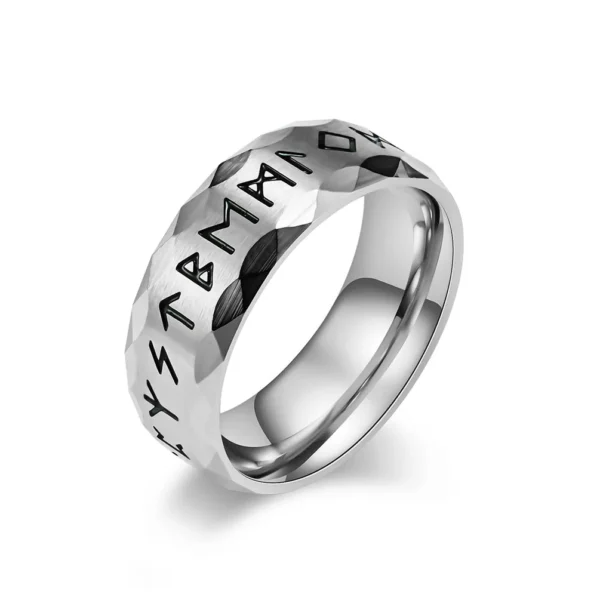
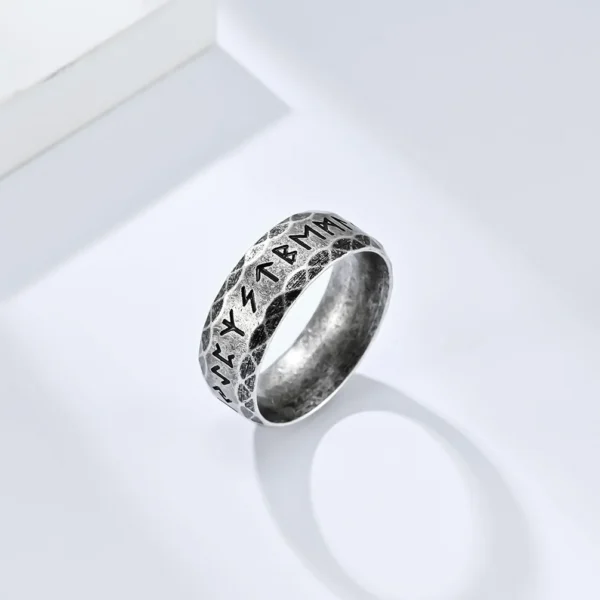
Our rune rings and cuffs carry rows of runes, darkened or coloured in the grooves so that they stand out.
-

Faceted rune ring
23,90 €Price includes VAT where it applies. Business customers can enter a valid EU VAT number at checkout to have VAT removed.
-
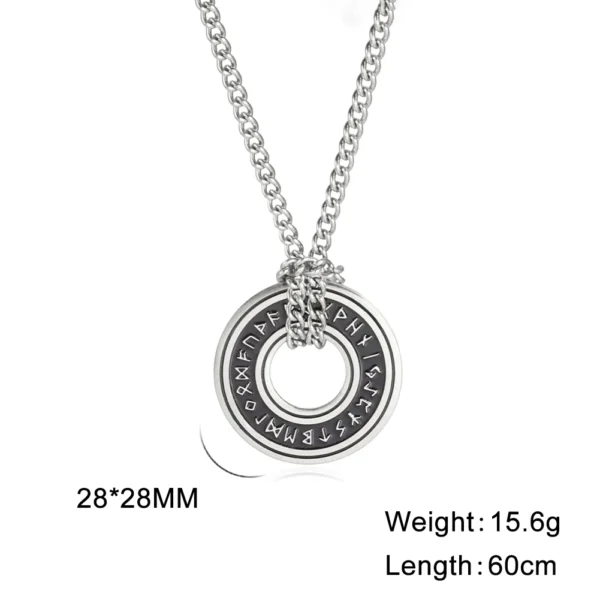
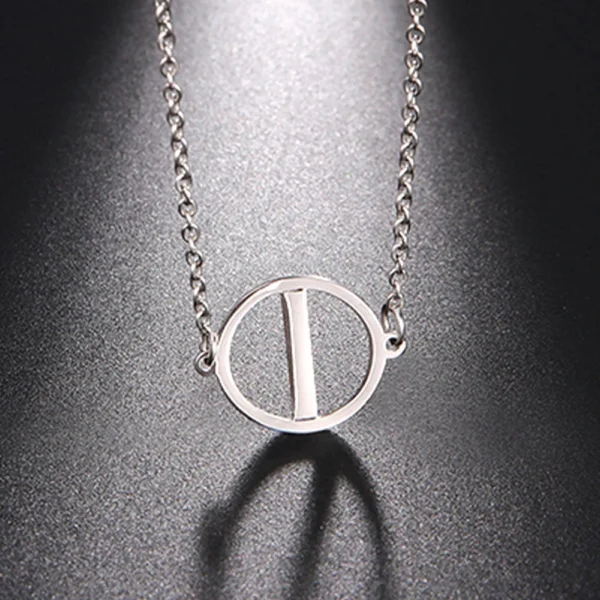
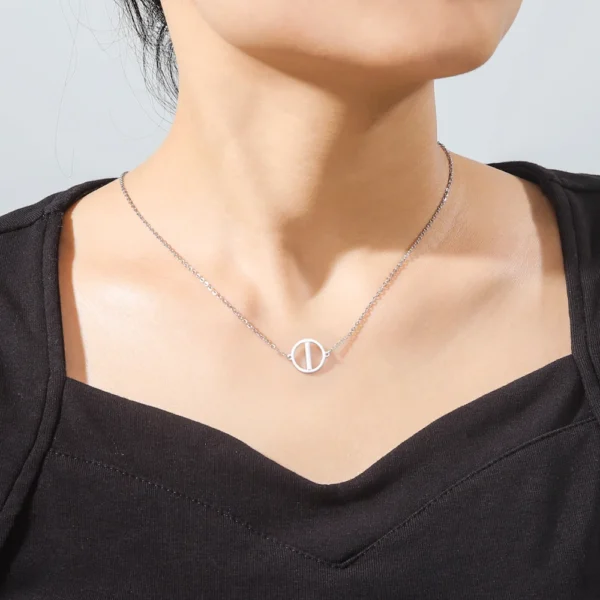
Rune circle pendant
29,90 €Price includes VAT where it applies. Business customers can enter a valid EU VAT number at checkout to have VAT removed.
-
Rune pendant
29,90 €Price includes VAT where it applies. Business customers can enter a valid EU VAT number at checkout to have VAT removed.
Sources: the Vimose comb, National Museum of Denmark; the Rök runestone, Östergötland; the Jelling stones, a UNESCO World Heritage Site; the Old English, Norwegian and Icelandic rune poems; Tacitus, Germania, chapter 10.